Take the permission.
Leave the costume.
A moodboard in slices: clusters, constellation, palette, listening, and a full card index. Thirty-five artists. Every view is the same data, different lens.
Song spine
Piano, songcraft, harmonic intelligence, room-scale neurosis.


Latin wound
Blood, geography, pain that knows its own name.

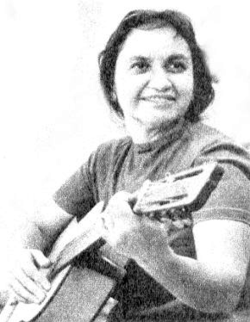
Crooner melodrama
Romantic excess, theatrical voice, permission to mean it.
Bad-room narrators
Low voice, moral weather, rooms that know too much.


Chamber-industrial
Chemistry, not identity. Strings, silence, menace.


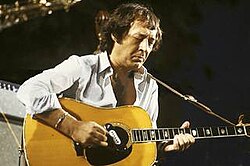
Atlantic melancholy
Body, air, island distance, Brazil stays in the room.
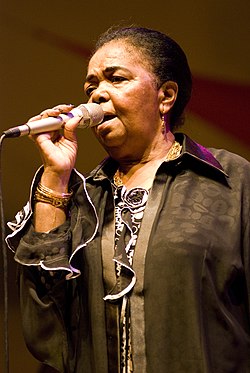


Piano
Close-mic'd. Room noise kept in. Felt or soft pedal. Mechanics audible — pedal thump, key release. Piano as witness, not performer.
Guitar
Nylon or hollow-body. Spectral lines around the vocal. Long sustains, modal ambiguity, string noise audible. Reverb as atmosphere.
Sax
Baritone or tenor, low register. Enters late. Not a soloist: a second voice. Dirty-elegant, minimal. Two notes and silence beat a bebop run.
Voice
Dry and close. Breath before the word audible. Under-sung until one line breaks. No double-tracking the confession. Let the vulnerable line stand alone.
Percussion
Body, wood, hand. No kit unless heartbeat. Shaker, cajón, brushed surface. One floor tom hit once per phrase. Rhythm at breath pace.
Strings
If used, threat not beauty. Cello/viola, not violin. Dissonance as warmth. Held note that doesn't resolve. Quartet, not orchestra.
Space
Room, not cathedral. Small wooden room. Plate for voice if needed — warm, short tail. Silence before the line should feel uncomfortable.
Silence
Written, not empty. The most important instrument. Pause before the big line. If the arrangement feels full, remove the least honest element.
Take: Inevitable melody. Piano close-mic'd with room noise, voice dry and front. Let one take stand.
Enters as: The writing spine: a song that survives alone in a room.
▶ Un Vestido y un AmorTake: Surreal voltage, image with blood. Start with a strange image, build the song to earn it.
Enters as: Images that feel intimate before they become literal.
▶ Durazno SangrandoTake: Domestic anxiety as fuel. One room, one mood, one chord change that shouldn't work.
Enters as: The apartment as stage, confession, and nervous system.
▶ Yendo de la Cama al LivingTake: Harmonic elegance without coldness. Prove the song works stripped.
Enters as: Permission for sophisticated harmony that breathes.
▶ A Primera VistaTake: Odd melodic angles, small-room closeness. Let the melody turn strange.
Enters as: Permission to stay strange and close.
▶ La Casa de al LadoTake: Bolero-rock intensity without museum dust. Let one line erupt from chest to throat.
Enters as: The present-tense LatAm heartbreak register.
▶ Tu Falta de QuererTake: Plainspoken devastation. No vibrato as decoration. Sing like the line costs something.
Enters as: The root note: unadorned grief with spine.
▶ Run Run Se Fue Pa'l NorteTake: Cold romance, multilingual shadow, border intimacy. Record close, let space carry weight.
Enters as: The room temperature: intimate, shadowed, borderless.
▶ De Cara a la ParedTake: Authority without decoration. Love sung like a scar — no vibrato for sympathy.
Enters as: Permission to be wounded without shrinking.
▶ Paloma NegraTake: Quiet body, historical weight. Percussion as memory, not groove.
Enters as: A deeper Latin body beneath the noir surface.
▶ Maria LandoTake: Earth, ritual voice, roots with teeth. Her Llorona is grief with teeth; Chavela's is grief with dignity.
Enters as: Ancestral scale without museum.
▶ La LloronaTake: Full-body romantic delivery, shameless scale. Steal the phrasing — one line with conviction.
Enters as: One chorus line that knows it is dangerous.
▶ Rosa, RosaTake: Huge melodic arcs, melodrama as structure. Study the architecture: where he starts, peaks, stays.
Enters as: Permission to go big when the song earns it.
▶ Algo de MíTake: Romance as cinema, auteur melodrama. A song as a single shot, one scene, one memory.
Enters as: The cinematic flashback inside a lyric.
▶ Fuiste Mía Un VeranoTake: Controlled collapse, breath discipline. Study where he pulls back before the big moment.
Enters as: A single line allowed to almost break.
▶ El TristeTake: Old wound without nostalgia. Ache delivered with a half-smile. Understate the pain.
Enters as: Memory as warmth, not tragedy.
▶ Veinte AñosTake: Devotional romance with threat. Sincerity without smiling. Record vocal close, no reverb wash.
Enters as: A vocal posture that can be sincere and still dangerous.
▶ Into My ArmsTake: Bad rooms, object-language. Build atmosphere from objects: glass, coat, ash, rain, piano.
Enters as: The props on the table. Tenderness with cigarette ash on it.
▶ AliceTake: Private letter as public wound. Write a song as a letter to a specific person.
Enters as: Lyrics that feel like evidence.
▶ Famous Blue RaincoatTake: Piano authority, romantic dread. Space between phrases is the instrument.
Enters as: Permission to slow time until one word fills the room.
▶ Wild Is the WindTake: Sax smoke, strings, voice close to the floor. Instruments enter late, leave early.
Enters as: The chamber arrangement model.
▶ Tiny TearsTake: Baritone sax body, minimal groove. Two notes and silence carry a whole song.
Enters as: Sax as a room, not a solo.
▶ The NightTake: Exposed nerve, minimal danger. Voice and guitar only. Mic close enough to hear breath.
Enters as: The line that cuts without raising its voice.
▶ The Desperate Kingdom of LoveTake: Grave restraint, dark masculine voice. No pleading, no vibrato, no ornament.
Enters as: Low-register gravity. The right to mean it quietly.
▶ One Way StreetTake: Strings as threat. Spoken intimacy with metal edges. Dissonance as warmth.
Enters as: Arrangement shadow: a little poison in the strings.
▶ A Quiet LifeTake: Art-pop stillness, voice as atmosphere. Negative space as instrument.
Enters as: A cooler frame around a warm wound.
▶ OrpheusTake: Piano as threat. Classical technique turned into a weapon. Prepared piano or close-mic'd mechanics.
Enters as: The piano becoming a locked room.
▶ Me and the DevilTake: Dark instrumental lyricism, saudade without bossa. Guitar as sustained ache.
Enters as: Guitar as grief that does not need words.
▶ Verdes AnosTake: Modal trance, spectral picking. Guitar as ghost — fewer notes, let each ring into the next.
Enters as: Guitar ghost lines around the vocal.
▶ MizrabTake: Ache with air around it, island melancholy. Sadness that doesn't beg.
Enters as: Warmth at a distance, not softness.
▶ SodadeTake: Ritual guitar with body and dirt. String noise, thumb on wood, breath audible.
Enters as: The hands and the ground under the noir.
▶ Canto de OssanhaTake: Voice as event. Emotion under force, precision under collapse.
Enters as: The moment the voice stops behaving.
▶ Atrás da PortaTake: One piano, one voice, the whole room trapped. Economy is the drama.
Enters as: Voice and piano as the whole crime scene.
▶ No Puedo Ser FelizTake: City nostalgia in song form. Steal the architecture — tension across a phrase.
Enters as: The city pulling the song backward.
▶ Vuelvo al SurTake: Street narrator, arrabal dirt, damaged elegance. Low theatricality, high presence.
Enters as: The alleyway voice at the edge of the record.
▶ Narigón